TRAVELYTES™ CRUISE vs Gatorade, Liquid I.V. & Nuun: Cruise Electrolyte Comparison
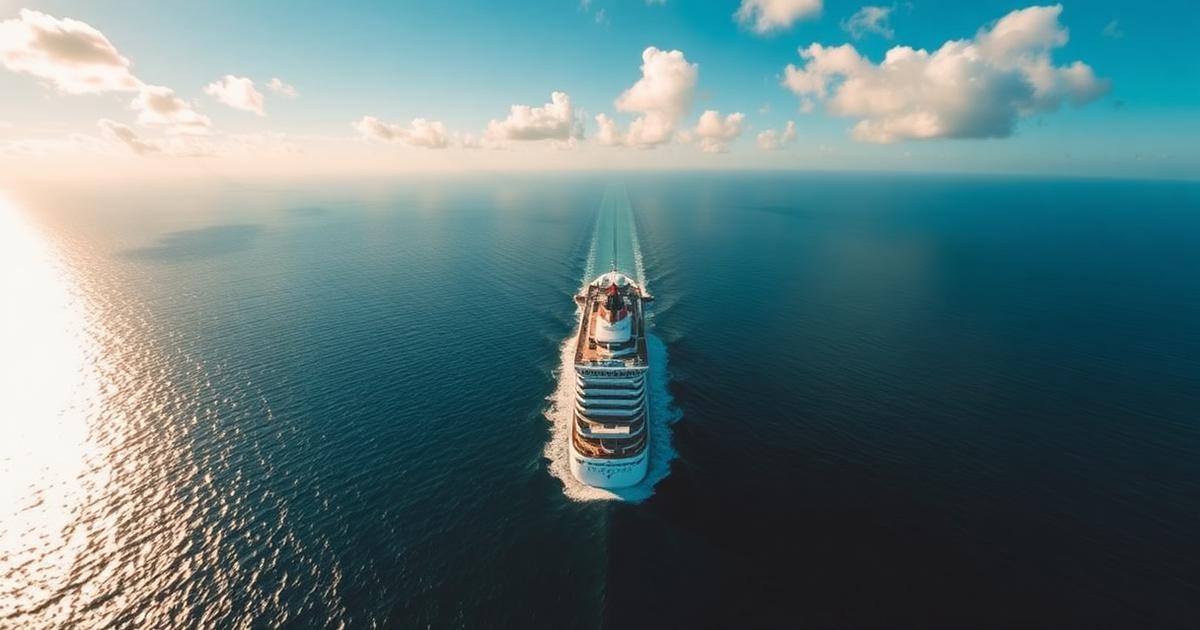
In our flight environment comparison, we showed how Gatorade, Liquid I.V., and Nuun fail at 30,000 feet. But the cruise sector presents a completely different set of biological challenges — and the big sports brands are even more out of their depth when it comes to the specific needs of a voyager at sea.
Here's the breakdown of why TRAVELYTES™ CRUISE is the superior tactical choice for the water.
The "Sea-Legs" Comparison Table
| Feature | TRAVELYTES™ CRUISE | Gatorade | Liquid I.V. | Nuun (Sport) |
|---|---|---|---|---|
| Primary Focus | Motion & Sea-Air Recovery | Sweat Replacement | Rapid Hydration | General Fitness |
| Digestive Comfort Support | Ginger Extract (Standardised) | None | None | None |
| Mineral Profile | Marine-Balanced (Low Sodium) | High Sodium / Sugar | High Sodium / Sugar | Moderate Sodium |
| Digestive Ease | Stomach-Settling Formula | High Acidity (Tough on Gut) | High Sugar (Can Cause Nausea) | Effervescent (Gas / Bloat) |
| Environment | Maritime & High Humidity | The Gym / Pitch | Daily Dehydration | Active Lifestyle |
3 Reasons TRAVELYTES™ CRUISE Beats the Competition
1. The Digestive Comfort Angle — The Ginger Factor
This is the single biggest differentiator. Gatorade and Liquid I.V. are essentially "salty sugar water." If you're feeling slightly green due to the ship's motion, the high sugar content and synthetic acids in those drinks can actually feel less comfortable on a sensitive stomach.
The TRAVELYTES™ Edge: TRAVELYTES™ CRUISE includes a standardised dose of Ginger Extract. Ginger is traditionally used to support digestive comfort and stomach wellbeing. We turn your hydration into your companion for general comfort at sea — something no sports drink on the market even attempts.
2. Counteracting "Salt-Heavy" Sea Air
When you're on a cruise, you aren't just drinking salt — you're breathing it. Sea air is rich in microscopic salt particles that can actually draw moisture out of your respiratory system.
The Competition's Mistake: Brands like Liquid I.V. add 500mg+ of sodium per serving. In a maritime environment, where your salt intake is already naturally higher due to the air and the often-rich cruise ship cuisine, this can lead to severe water retention and "puffy" limbs — the dreaded "cruise bloat."
The TRAVELYTES™ Edge: Our CRUISE formula is Marine-Balanced. We lower the sodium and increase the potassium and magnesium to help your body flush excess salt, keeping you hydrated without the cruise bloat.
3. The "Anti-Fizz" Digestive Strategy
Many travellers reach for Nuun tablets because they're portable. However, Nuun tablets are effervescent — they fizz. For someone with a sensitive stomach on a moving ship, the carbonation and citric acid can cause gas and bloating — the last thing you want when you're already fighting motion sickness.
The TRAVELYTES™ Edge: Our powder dissolves still and smooth. It is designed to be gentle on the gut-brain axis, ensuring that your hydration calms your stomach rather than agitating it.
Frequently Asked Questions
What is the best electrolyte for a cruise?
The best electrolyte for a cruise should address motion sickness, sea-air salt exposure, and digestive comfort — not sweat replacement. TRAVELYTES™ CRUISE is the only electrolyte formulated specifically for maritime environments, with ginger extract for nausea, marine-balanced sodium levels, and a stomach-settling powder format.
Can I take Gatorade on a cruise ship?
Gatorade is available on most cruise ships, but with 21–36g of sugar per serving and high acidity, it can worsen nausea and stomach discomfort on a moving vessel. Its high sodium also compounds the salt you're already breathing in sea air, leading to water retention and swelling.
Does Liquid I.V. help with seasickness?
Liquid I.V. has no anti-nausea ingredients. Its 500mg+ sodium can worsen cruise bloat, and its high sugar content can trigger stomach discomfort on a moving ship. TRAVELYTES™ CRUISE includes standardised ginger extract to support digestive comfort during motion.
Are Nuun tablets good for cruise travel?
Nuun tablets are portable but their effervescent (fizzing) format can cause gas and bloating on a moving ship — worsening motion discomfort. TRAVELYTES™ CRUISE dissolves still and smooth, designed to calm the stomach rather than agitate it.
What causes cruise ship bloating?
Cruise bloat is caused by a combination of salt-heavy sea air, rich cuisine, reduced activity, and high-sodium drinks. TRAVELYTES™ CRUISE uses a marine-balanced mineral profile with increased potassium and magnesium to help the body flush excess sodium and prevent puffiness.
The Bottom Line
Gatorade, Liquid I.V., and Nuun were designed for dry land and sweaty workouts. The ocean is a fundamentally different environment — salt air, motion stress, high humidity, and rich cuisine create hydration challenges that sports drinks simply weren't built to solve.
TRAVELYTES™ CRUISE doesn't compete with sports drinks at sea. It replaces them entirely — with ginger for nausea, marine-balanced minerals for bloat prevention, and a smooth-dissolving formula that works with your stomach, not against it.
--- *This article is provided for educational purposes only and represents a general technical briefing on travel wellness. It is not medical advice and is not intended to diagnose, treat, cure or prevent any condition. TRAVELYTES™ products are food supplements; authorised health claims and formulations vary by region (UK/EU and USA). Individual results may vary. If you have any personal health concerns, please consult a qualified healthcare professional.* ## Cruise Ship Dehydration: Why Sea Air Affects Your Body More Than You ThinkCruise holidays are among the most popular travel experiences worldwide, but few passengers realise how significantly the ocean environment affects hydration levels. The combination of salt-laden air, constant wind exposure, sun, alcohol, and increased physical activity creates conditions where dehydration can develop quickly and subtly.
How the Ocean Environment Dehydrates You
- Salt air — ocean air contains fine salt particles that draw moisture from your skin and respiratory system
- Wind exposure — constant sea breezes accelerate evaporation from your skin, even when you do not feel hot
- Sun reflection — water reflects UV rays, increasing sun exposure and associated fluid loss
- Motion — your body works harder to maintain balance on a moving vessel, increasing metabolic demand and fluid requirements
- Activity levels — excursions, swimming, and exploring ports increase fluid needs
Motion Sensitivity and Hydration
Research suggests that dehydration can worsen motion sensitivity. When your body is properly hydrated, the vestibular system (responsible for balance and spatial orientation) functions more effectively. Maintaining optimal hydration may help reduce the discomfort some passengers experience, particularly during rough seas.
Practical Hydration Tips for Cruise Passengers
Drink fluids consistently throughout the day — do not wait until you feel thirsty. Choose electrolyte-enhanced drinks over plain water when spending extended time on deck. Be mindful of alcohol intake, which accelerates dehydration in the already-challenging maritime environment.
Electrolyte formulations designed specifically for sea conditions, such as TRAVELYTES™ CRUISE, address the unique challenges of ocean travel including motion support and sea air optimisation.
--- *This article is provided for educational purposes only and represents a general technical briefing on travel wellness. It is not medical advice and is not intended to diagnose, treat, cure or prevent any condition. TRAVELYTES™ products are food supplements; authorised health claims and formulations vary by region (UK/EU and USA). Individual results may vary. If you have any personal health concerns, please consult a qualified healthcare professional.* ## The Cruise Survival Guide: Why Your Sports Drink Is Out of Its DepthYou've unpacked your bags, the ship is pulling out of the harbour, and the holiday has officially begun. But for many travellers, the first 48 hours at sea can be a struggle. Between the ship's motion, the salty sea air, and the indulgent (and often salty) cruise cuisine, your body is under a unique kind of stress.
Most people reach for a standard sports drink or a sugary electrolyte they found at the airport. But a cruise ship isn't a gym. Here's why your "standard" hydration is failing you at sea — and why TRAVELYTES™ CRUISE is the only travel essential you need in your cabin.
1. The "Green" Problem — Motion Sickness
The biggest challenge at sea is motion sickness. Brands like Gatorade or Liquid I.V. are high in sugar and synthetic citric acids. If your stomach is already feeling uneasy from the waves, pouring sugary, acidic liquid into it can actually trigger a stronger nausea response.
The TRAVELYTES™ Difference: We've included a standardised dose of Ginger Extract in every sachet. Ginger is a time-tested, botanical traditionally used to support digestive comfort. It is traditionally used to support digestive comfort during motion.
This is the secret weapon no sports drink offers. While Gatorade and Liquid I.V. are formulated to replace sweat, TRAVELYTES™ CRUISE is formulated to settle your stomach while it hydrates you.
2. Fighting the "Sea-Air Dryness"
Have you ever noticed your throat feels dry or your skin feels tight on deck? Sea air is heavy with microscopic salt particles. While beautiful, this air actually draws moisture out of your lungs and skin through osmosis.
The TRAVELYTES™ Difference: While competitors like Liquid I.V. add massive amounts of sodium — 500mg+ per serving — we use a Marine-Balanced mineral profile. We focus on Potassium and Magnesium Malate to help your cells hold onto water without causing the "salt-bloat" (swollen ankles) that often comes from high-sodium drinks in a maritime environment.
You're already breathing salt. You don't need to drink more of it.
3. The Buffet Recovery — Low Sugar Is Key
Cruise food is one of the best parts of the trip, but it's notoriously high in sodium. If you pair a high-salt dinner with a high-sodium sports drink, you're asking for a headache and "puffy" eyes the next morning.
The TRAVELYTES™ Difference: Our formula is nearly sugar-free and lower in sodium than sports drinks. We provide the "flush" your kidneys need to process the rich cruise meals, helping you wake up feeling light and ready for your morning excursion.
Think of it this way: Gatorade adds 21–36g of sugar on top of your dessert. TRAVELYTES™ CRUISE adds less than 2g — just enough for hydration transport, without the insulin spike that makes jet lag and sea-fatigue worse.
4. No "Fizz," No Fuss
Many travellers use effervescent tablets like Nuun because they're portable. However, the carbonation (fizz) in those tablets can create gas and bloating — the last thing you want if you're already feeling a bit off from the ship's movement.
The TRAVELYTES™ Difference: Our premium powder dissolves still and smooth. It's gentle on the stomach and absorbed instantly, providing relief without the bubbles. No waiting 2–4 minutes for a tablet to dissolve. No gritty residue at the bottom of your glass. Just tear, pour, stir, and enjoy.
Your Cruise Cabin Checklist
- Before boarding: Take one TRAVELYTES™ CRUISE sachet with water to pre-hydrate before you even set foot on the gangway
- First evening: One sachet before dinner to prepare your body for the rich cuisine ahead
- Each morning: Start your day with a sachet before breakfast — you'll feel the difference by the time you reach the pool deck
- Before excursions: One sachet before shore excursions to stay hydrated in tropical heat without the cruise bloat
- After dinner: A final sachet before bed helps your kidneys process the day's sodium intake while you sleep
Frequently Asked Questions
How do I stop motion sickness on a cruise naturally?
Ginger is a botanical traditionally used to support digestive comfort. TRAVELYTES™ CRUISE includes standardised ginger extract in every sachet, helping support digestive comfort during motion — turning your hydration into your companion for general comfort at sea.
What should I drink on a cruise to avoid bloating?
Avoid high-sodium sports drinks like Liquid I.V. (500mg+ sodium) and sugary options like Gatorade (21–36g sugar). TRAVELYTES™ CRUISE uses a marine-balanced mineral profile with increased potassium and magnesium to help flush excess salt from rich cruise cuisine, keeping you hydrated without puffiness.
Why does sea air make you dehydrated?
Sea air contains microscopic salt particles that draw moisture from your lungs and skin through osmosis. This is why your throat feels dry and your skin feels tight on deck. TRAVELYTES™ CRUISE counters this with potassium and Magnesium Malate rather than adding more sodium on top of what you're already breathing.
Are effervescent electrolyte tablets good for cruises?
Effervescent tablets like Nuun create carbonation that can cause gas and bloating on a moving ship — worsening motion discomfort. TRAVELYTES™ CRUISE dissolves still and smooth, designed to calm the stomach rather than agitate it with fizz and citric acid.
The Bottom Line
Gatorade was built for the sidelines of a football game. Liquid I.V. was built for morning-after recovery. TRAVELYTES™ CRUISE was built for you — the traveller who wants to enjoy every sunset, every excursion, and every dinner without the drag of dehydration or the dread of motion sickness.
Don't leave the dock without it.
--- *This article is provided for educational purposes only and represents a general technical briefing on travel wellness. It is not medical advice and is not intended to diagnose, treat, cure or prevent any condition. TRAVELYTES™ products are food supplements; authorised health claims and formulations vary by region (UK/EU and USA). Individual results may vary. If you have any personal health concerns, please consult a qualified healthcare professional.*TRAVELYTES™ HOLIDAY (One Too Many) — hot-climate and morning-after hydration in one travel formula. View product →