Why One Travel Hydration Doesn't Fit All: Is It Jet Lag, or Just Dehydration?
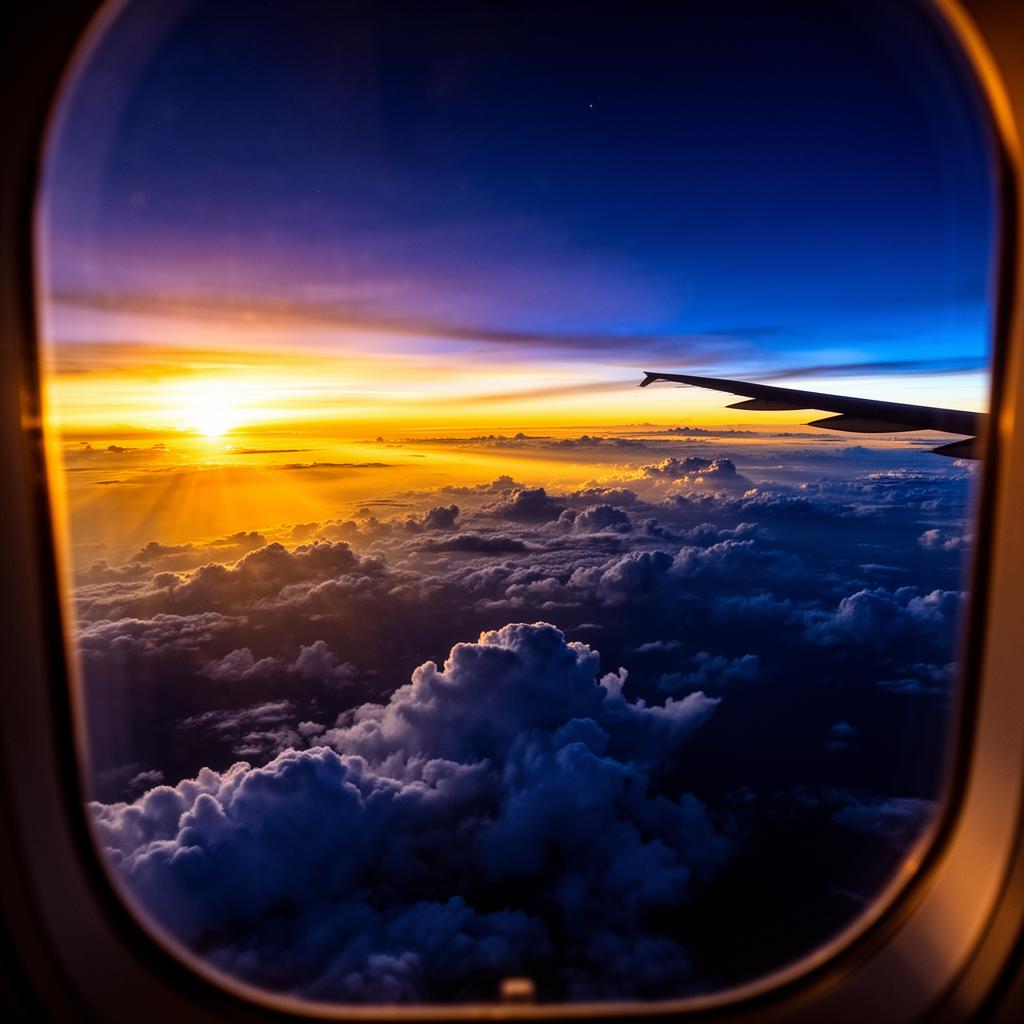
You've just landed after an 8-hour flight, or perhaps you've just stepped off the gangway after a day in the tropical sun. You feel foggy, your joints ache, and you're reaching for a third espresso just to make it through the day.
Most travellers blame the time zone — the classic "jet lag." But in the world of travel physiology, there's a different culprit that strikes long before your body clock goes out of sync: environmental dehydration.
Because every journey is different, TRAVELYTES™ has formulated specific products for the unique physiological stresses of your trip. Here's how to spot the "silent signs" of dehydration for your specific mode of travel.
1. The "Aviation Fog" — For the Long-Haul Flyer
Aircraft cabins are kept at ultra-low humidity — often below 20%, which is drier than most desert environments. This causes what researchers call altitude desiccation, where you lose moisture through every breath without even realising it.
The Sign: "Micro-confusion" — re-reading the same sentence on your Kindle, or forgetting what you were about to order from the trolley. Research published by the Aerospace Medical Association suggests that even a 2% drop in hydration can contribute to reduced cognitive sharpness and short-term memory lapses.
The TRAVELYTES™ Approach: TRAVELYTES™ FLIGHT is formulated to support hydration during flights by balancing key electrolytes — without the excessive sodium found in sweat-recovery sports drinks, which are designed for a completely different type of fluid loss.
2. The "Arrival Slump" — When You Need to Hit the Ground Running
Landing in a new city at 7:00 AM after a red-eye flight is the ultimate test of arrival readiness. Your body has been sitting in a pressurised, dehumidified cabin for hours, and now it needs to perform.
The Sign: Sluggishness, heavy limbs, and a desperate craving for sweets or caffeine. This is your body signalling mineral depletion after hours in a low-humidity environment.
The TRAVELYTES™ Approach: TRAVELYTES™ MAX features the same flight-focused electrolyte profile as our FLIGHT formula, plus 80mg of natural caffeine from Green Coffee Bean — designed to support alertness when you need to be sharp on arrival.
3. The "Maritime Drain" — For the Cruiser
Cruising involves a unique combination of stresses: constant sun exposure, salty sea air drawing moisture from your skin, and the occasional over-indulgence at the buffet or bar.
The Sign: "The Cabin Crump" — feeling uncharacteristically irritable or short-tempered. Dehydration can affect your nervous system, and if you're snapping at your travel companion over which restaurant to book, your hydration levels may be playing a role.
The TRAVELYTES™ Approach: TRAVELYTES™ CRUISE is designed for maritime environments and high-heat conditions, focusing on the minerals lost through perspiration. It also includes ginger extract, traditionally used to help settle stomach discomfort.
The Universal Indicator: The "Colour Check"
Regardless of how you travel, the most reliable indicator of your hydration status is one you can check yourself: urine colour.
- Pale straw / clear: You're well hydrated and "arrival ready."
- Dark yellow / amber: You're in a hydration deficit. Dehydrated blood is thicker, which means your cardiovascular system has to work harder — contributing to fatigue and dizziness.
This simple check is recommended by the NHS and numerous sports medicine bodies as a practical, everyday hydration monitor.
Arrive Ready. No Matter How You Get There.
Don't wait for a pounding headache or dizziness to tell you something is wrong. By the time you feel "thirsty," your body is already playing catch-up.
TRAVELYTES™ formulas are specialist hydration products — each one formulated in the UK for a specific type of travel. Whether you're at 35,000 feet or on the high seas, the goal is the same: arrive ready.
Shop TRAVELYTES™ FLIGHT → | Shop TRAVELYTES™ MAX → | Shop TRAVELYTES™ CRUISE →
This article is for informational purposes only and does not constitute medical advice. If you have concerns about dehydration or jet lag, consult a healthcare professional.
This article is provided for educational purposes only and represents a general technical briefing on travel wellness. It is not medical advice and is not intended to diagnose, treat, cure or prevent any condition. TRAVELYTES™ products are food supplements; authorised health claims and formulations vary by region (UK/EU and USA). Individual results may vary. If you have any personal health concerns, please consult a qualified healthcare professional.
Beat Jet Lag Faster: The Link Between Hydration and Circadian Rhythm Recovery
<p>Jet lag affects millions of travellers every year, disrupting sleep patterns, energy levels, and cognitive function. While light exposure and sleep timing are well-known factors in circadian rhythm adjustment, emerging research highlights the significant role that hydration plays in how quickly your body adapts to new time zones.</p>
<h2>What Happens to Your Body During Jet Lag</h2> <p>Your circadian rhythm — the internal clock that governs sleep, digestion, hormone release, and body temperature — is disrupted when you cross time zones. This disruption affects:</p> <ul> <li>Sleep quality and duration</li> <li>Digestive function and appetite</li> <li>Cognitive performance and concentration</li> <li>Mood and energy levels</li> <li>Immune function</li> </ul>
<h2>The Hydration-Jet Lag Connection</h2> <p>Studies published in the <em>Journal of Biological Rhythms</em> suggest that cellular hydration status influences the speed at which circadian proteins reset. When cells are dehydrated, the molecular machinery responsible for clock adjustment slows down.</p> <p>Furthermore, the dehydrating conditions of air travel compound the problem. By the time you land, your body is battling both time zone disruption and fluid depletion simultaneously.</p>
<h2>A Hydration Strategy for Jet Lag</h2> <ol> <li><strong>Pre-flight</strong> — Begin hydrating with electrolytes 12–24 hours before departure</li> <li><strong>In-flight</strong> — Maintain consistent electrolyte intake throughout the flight, especially on sectors over 4 hours</li> <li><strong>On arrival</strong> — Continue electrolyte hydration for 24–48 hours after landing</li> <li><strong>Combine with light exposure</strong> — Proper hydration supports your body's response to light-based circadian cues</li> </ol>
<p>Travel-specific electrolyte products like <a href="/product/TRAVELYTES™-flight">TRAVELYTES™ FLIGHT</a> include B-vitamins and minerals specifically selected to support circadian rhythm recovery alongside hydration.</p>
This article is provided for educational purposes only and represents a general technical briefing on travel wellness. It is not medical advice and is not intended to diagnose, treat, cure or prevent any condition. TRAVELYTES™ products are food supplements; authorised health claims and formulations vary by region (UK/EU and USA). Individual results may vary. If you have any personal health concerns, please consult a qualified healthcare professional.
Timing Your Trip: A Strategy for Crossing Time Zones
<p>Jet lag isn't inevitable — it's manageable. The difference between stumbling through your first day abroad and hitting the ground running comes down to preparation, timing, and understanding what your body actually needs during the transition.</p>
<h2>The Light Rule</h2> <p>Your circadian rhythm — the internal clock governing sleep, hunger, and alertness — is primarily reset by <strong>light exposure</strong>. The single most effective thing you can do after landing is seek natural sunlight immediately.</p> <ul> <li><strong>Travelling east?</strong> Get morning light exposure to advance your clock</li> <li><strong>Travelling west?</strong> Seek evening light to delay it</li> </ul> <p>Even 20–30 minutes of outdoor light can dramatically accelerate your adjustment. Conversely, spending your first hours in a dimly lit hotel room or airport lounge works against you.</p>
<h2>Strategic Napping: The 20-Minute Rule</h2> <p>The temptation to collapse into bed upon arrival is overwhelming — but it's a trap. Long naps on arrival day confuse your body clock further, making it harder to sleep at the local bedtime.</p> <p>If you absolutely must rest, keep it to <strong>20 minutes maximum</strong>. Set an alarm. This is enough to take the edge off fatigue without entering deep sleep, which would reset your clock in the wrong direction.</p>
<h2>Meal Anchoring</h2> <p>Your digestive system has its own circadian rhythm. One of the most effective (and underused) strategies is to <strong>eat according to your destination's time zone</strong> from the moment you board the aircraft.</p> <p>If it's breakfast time in London when you take off for Dubai, eat your first meal on Dubai time instead. This "meal anchoring" technique helps your gut clock — and subsequently your brain — begin adjusting hours before you land.</p>
<h2>The Hydration Connection</h2> <p>Here's what's often overlooked in jet lag advice: <strong>cognitive function depends heavily on hydration</strong>. The brain fog that makes jet lag so debilitating isn't purely a sleep issue — it's compounded by the dehydration that occurs during the flight itself.</p> <p>Maintaining proper electrolyte balance during your journey supports mental clarity, helping you fight through that difficult first afternoon in a new city. When your brain has the sodium, potassium, and magnesium it needs, you're better equipped to stay alert, make decisions, and resist the urge to nap at 2pm.</p>
<h2>Your 24-Hour Pre-Flight Checklist</h2> <ul> <li>Begin shifting your sleep time by 1 hour towards your destination's time zone</li> <li>Hydrate thoroughly — don't wait until you're airborne</li> <li>Avoid heavy meals and alcohol the night before</li> <li>Set your watch to destination time when you board</li> <li>Pack electrolytes and eye drops in your carry-on</li> </ul>
<p>Jet lag is a physiological challenge, not a character flaw. With the right preparation, you can arrive feeling focused and ready — not foggy and frustrated.</p>
This article is provided for educational purposes only and represents a general technical briefing on travel wellness. It is not medical advice and is not intended to diagnose, treat, cure or prevent any condition. TRAVELYTES™ products are food supplements; authorised health claims and formulations vary by region (UK/EU and USA). Individual results may vary. If you have any personal health concerns, please consult a qualified healthcare professional.
TRAVELYTES™ HOLIDAY (One Too Many) — hot-climate and morning-after hydration in one travel formula. View product →