The "Invisible" Dehydration: Why Flights Feel Different
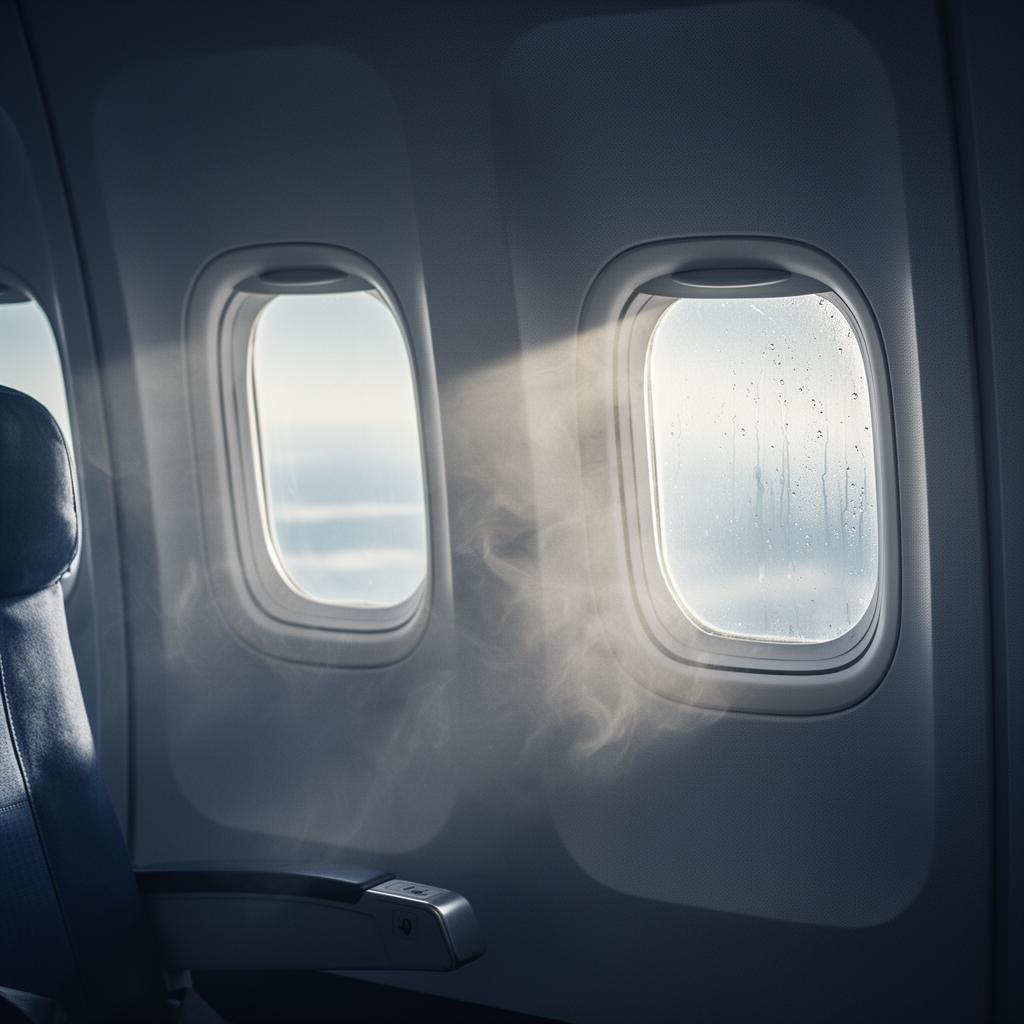
You board feeling fine. You land feeling like you've been wrung out. That post-flight fatigue, the scratchy eyes, the headache that arrives somewhere over the Atlantic — it's not just tiredness. It's dehydration, and it's happening whether you notice it or not.
The Desert Above the Clouds
Aircraft cabins are pressurised to simulate an altitude of around 6,000–8,000 feet. The humidity inside? A bone-dry 10–20%. For context, the Sahara Desert typically sits at around 25%. Every breath you take at cruising altitude draws moisture from your body — through your lungs, your skin, even your eyes.
Over a 10-hour flight, research suggests passengers can lose 1.5 to 2 litres of water through this invisible evaporation alone. And unlike exercise-induced sweating, there's no obvious trigger telling you to drink.
The Coffee Trap
Here's where it gets worse. Many of us start our journey with a coffee at the gate or a glass of something celebratory in the lounge. Both caffeine and alcohol act as diuretics, accelerating fluid loss at the exact moment your body needs to be conserving it.
That pre-flight flat white might feel like a ritual, but it's working against you before you've even found your seat.
It's Not Just Thirst — It's Your Skin and Eyes Too
Dehydration in-flight doesn't just make you thirsty. It affects your:
- Skin: Becomes tight, flaky, and more prone to irritation
- Eyes: Contact lens wearers often experience significant discomfort
- Nasal passages: Dry air can crack delicate membranes, increasing susceptibility to airborne germs
Packing saline nasal spray and preservative-free eye drops in your carry-on can make a real difference — but they're treating symptoms, not the root cause.
Why Water Alone Isn't Enough
Here's the part most people miss: simply drinking water doesn't guarantee your body absorbs it effectively. When you're sedentary for hours in a pressurised cabin, your body needs the right balance of electrolytes — sodium, potassium, magnesium — to actually transport that water into your cells.
Without those minerals, much of the water you drink passes straight through, giving you more trips to the cramped lavatory without meaningfully rehydrating you.
This is why travellers increasingly turn to electrolyte supplements specifically designed for the demands of air travel — formulations that account for the unique combination of low humidity, reduced air pressure, and prolonged inactivity.
The Bottom Line
Flight dehydration is real, it's significant, and it's largely invisible. Understanding the mechanics behind it is the first step to arriving feeling human. Start hydrating before you board, skip the diuretics, and make sure your body has the minerals it needs to actually use the water you're drinking.
--- *This article is provided for educational purposes only and represents a general technical briefing on travel wellness. It is not medical advice and is not intended to diagnose, treat, cure or prevent any condition. TRAVELYTES™ products are food supplements; authorised health claims and formulations vary by region (UK/EU and USA). Individual results may vary. If you have any personal health concerns, please consult a qualified healthcare professional.*Coming soon: TRAVELYTES™ ONE TOO MANY — a new travel recovery formulation. Sign up to be notified when it launches →